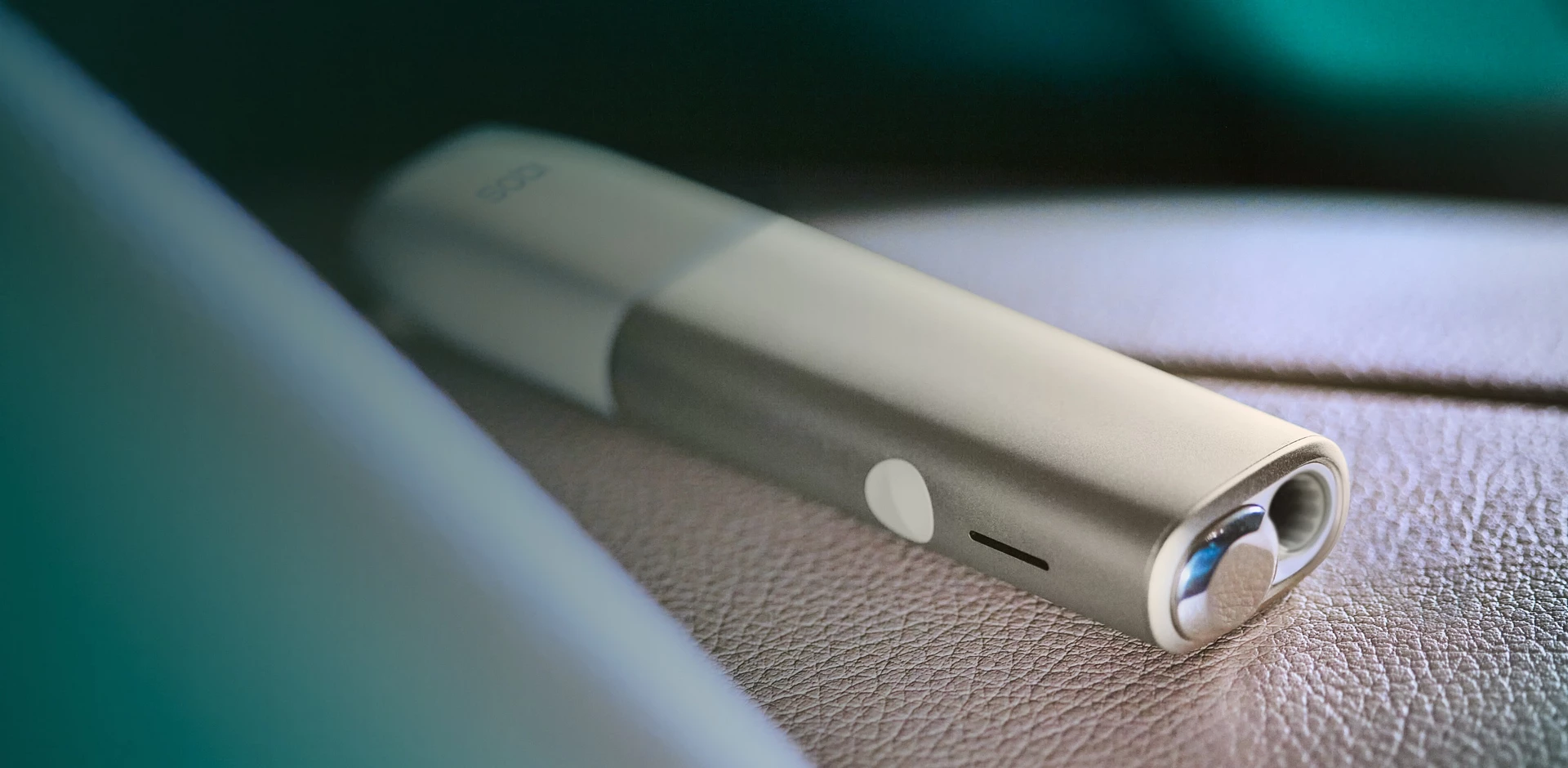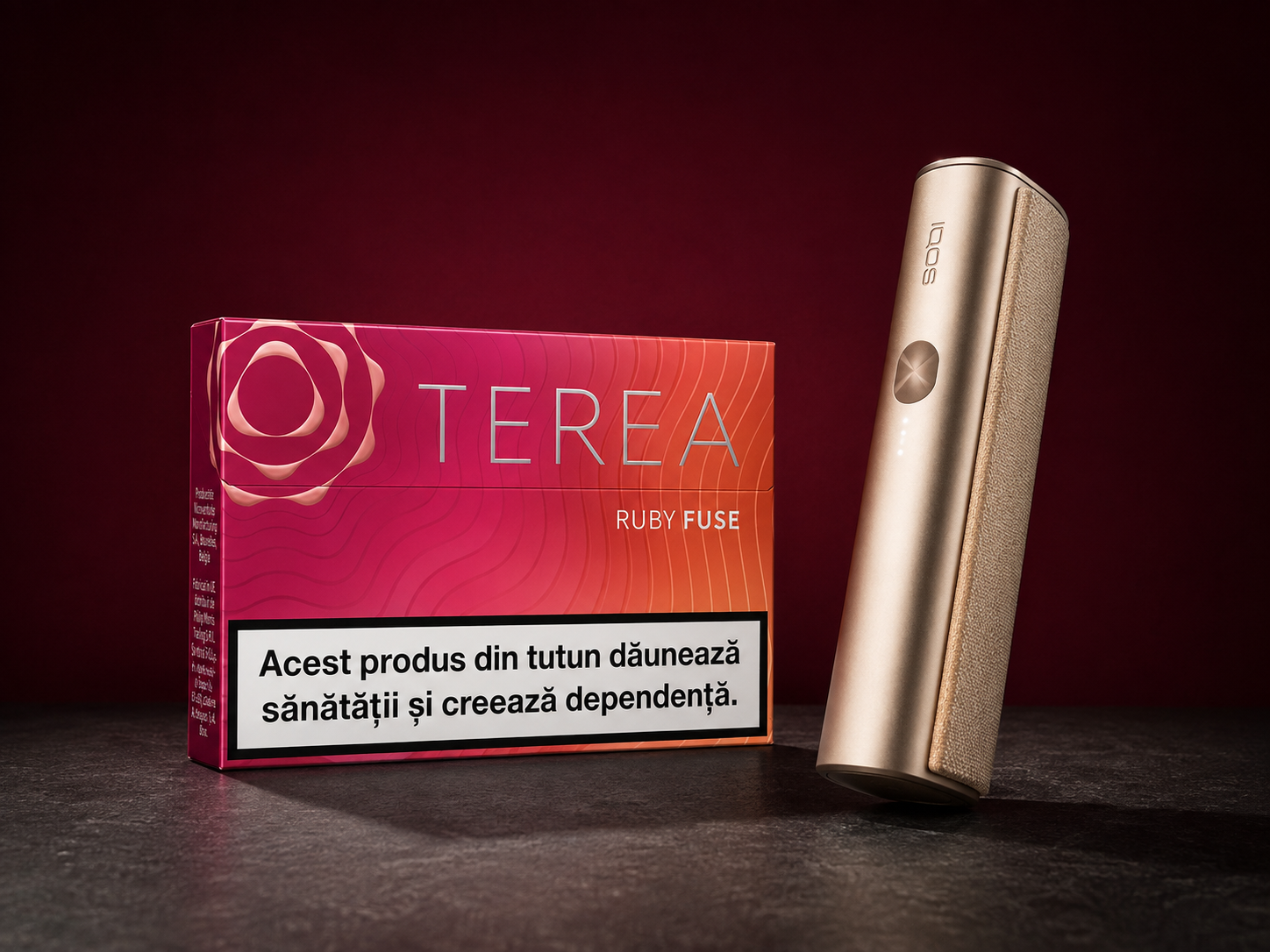
TEREA Ruby Fuse has its own dedicated product page within the broader TEREA catalog, giving the variant a clearer identity than it would have on a general category listing. For readers researching TEREA Ruby Fuse, the individual page is useful not only for identifying the product but also for separating its description, characteristics, and customer feedback from information belonging to other TEREA variants. A well-structured dedicated listing can also serve an important search function by giving a specific product its own indexable destination for narrowly defined queries.
Ruby Fuse Benefits From Having Its Own Product Destination
A dedicated page changes how a specific TEREA variant can be discovered and evaluated. Instead of competing for attention inside a broad category containing numerous names, Ruby Fuse receives a separate URL, product title, descriptive area, characteristics section, and review section. This creates a much clearer information hierarchy for someone who is researching this particular variant.
From an SEO perspective, that structure is especially relevant for low-frequency, highly specific searches. Queries such as “buy TEREA Ruby Fuse,” “TEREA Ruby Fuse sticks,” or “TEREA Ruby Fuse characteristics” express a much narrower intent than a general search for TEREA products. A dedicated, informative product page gives search engines a logical document to associate with those specific queries rather than forcing one category page to represent every individual variant.
Search Visibility Improves When Product Intent Is Explicit
Low-frequency searches can be valuable because they often contain a clearly defined product intention. A page focused exclusively on Ruby Fuse can naturally incorporate the exact product name in its title, introductory copy, headings, descriptive text, and structured product information. This creates stronger topical consistency than mentioning Ruby Fuse only once among dozens of other products.
The SEO opportunity does not require repetitive keyword placement. A more useful approach is to answer the questions that accompany a specific product search: what the product is, which system it belongs to, how it is presented, what information is available, and where users can find its specifications.
Long-Tail Queries Need More Than a Product Name
A strong product page can address several closely related search intentions without becoming repetitive. Examples include searches for the Ruby Fuse flavor, compatibility, pack configuration, product characteristics, and purchasing information. These variations naturally expand the page’s semantic relevance while keeping every section focused on the same product.
The Product Identity Should Remain Consistent Across Every Section
Ruby Fuse is presented as an individual TEREA variant rather than a general hardware product. That distinction should remain consistent throughout the page. The title, introductory paragraph, characteristics, descriptive content, and any future review material should all reinforce the same product identity.
Consistency is particularly important for users arriving directly from a search engine. A visitor who searches specifically for Ruby Fuse should immediately understand that the page concerns the exact requested variant. Clear terminology reduces uncertainty and makes the page easier to navigate.
The Characteristics Tab Is the Biggest Information Opportunity
The characteristics area represents one of the clearest opportunities for improving the product page. When a dedicated specifications tab contains little or no useful information, visitors are forced to rely on general description text for practical details that could be presented much more efficiently in a structured format.
The characteristics section should be filled with concise factual data rather than promotional language. The goal is not to repeat the product description but to provide the dry specifications that a user may want to confirm before continuing.
- Number of sticks per pack: 20.
- Number of packs per carton: 10.
- Total sticks per carton: 200.
- Country of production: specify the exact production country applicable to the listed Ruby Fuse version.
- Compatible heating system: clearly identify the supported device family.
These facts would make the characteristics tab substantially more useful while also giving search engines additional structured, product-specific information to understand and index.
Pack Configuration Is Simple but Worth Stating Clearly
Packaging information is one of the easiest details for a product page to communicate, yet it can have a disproportionate effect on usability. A statement that one pack contains 20 sticks gives visitors an immediate understanding of the standard unit. Stating that one carton contains 10 packs adds another layer of clarity for users evaluating the larger packaging format.
The information should appear in the characteristics area rather than being buried inside a long paragraph. A compact specification such as “20 sticks per pack” is easier to scan, easier to compare with other products, and easier for search engines to associate with the exact Ruby Fuse listing.
Production Country Should Be a Verified Specification
The country of production is another useful characteristic, but it should be presented only after confirming the exact production version represented by the listing. TEREA products can exist in different production configurations, so the page should not rely on assumptions based on information from unrelated listings or other versions of the same flavor.
The recommended format is therefore simple: add a dedicated “Country of production” field and populate it with the verified information applicable to the exact Ruby Fuse product being offered. This keeps the specification factual and avoids confusing manufacturing information with shipping destination, market availability, or seller location.
Flavor Information Should Stay Specific and Verifiable
Flavor characterization is naturally important for a product such as Ruby Fuse, but the page should distinguish confirmed product information from assumptions based solely on the variant name. A name can create expectations, but it should not automatically be treated as a complete sensory description.
If the product documentation confirms specific flavor notes, those characteristics can be incorporated naturally into the description and characteristics sections. If the source material does not provide detailed tasting information, the page should avoid inventing precise fruit, floral, cooling, sweetness, or tobacco notes simply to make the copy sound more comprehensive.
Compatibility Deserves a Dedicated, Easy-to-Scan Statement
Compatibility is another practical specification that should not be hidden inside general prose. The product belongs to the TEREA format associated with the IQOS ILUMA system, so the page should communicate the compatible device family prominently and consistently.
A short compatibility statement is more useful than several paragraphs repeating the same information. It also helps users who arrive from a search engine and want to confirm whether the selected consumable corresponds to their existing heating device before examining other characteristics.
Reviews Can Add a Second Layer of Product Information
The dedicated page also contains a review area, creating an opportunity to supplement factual specifications with user-generated observations. Reviews should remain clearly separated from official product characteristics because they represent individual experiences rather than standardized specifications.
When reviews become available, they can help visitors understand how other adult users perceive the product’s flavor and everyday experience. Until then, the page should avoid presenting hypothetical customer opinions as established facts. The strongest foundation remains the verified product information supplied in the official description and characteristics sections.
A Stronger Page Structure Can Serve Both Users and Search Engines
The ideal Ruby Fuse page does not need excessive text to become more useful. A compact but complete structure is more effective: a precise product title, a factual introduction, a clearly developed description, a populated characteristics section, compatibility information, and a separate review area.
This structure benefits visitors because essential information can be located quickly. It also gives search engines several clear semantic signals about the page’s subject. The product name identifies the entity, the description explains its purpose, the specifications establish factual attributes, and the reviews provide additional user-generated context.
Natural Keyword Coverage Is Better Than Repetition
The dedicated page can target low-frequency search intent without turning the copy into a list of repeated phrases. The product name “TEREA Ruby Fuse” should appear naturally in the title and opening text, while related wording can cover characteristics, flavor, sticks, compatibility, pack configuration, and product information.
Search phrases such as “buy TEREA Ruby Fuse” can be addressed naturally within useful transactional context, but the wording should remain readable. Repeating the same exact query throughout the page would reduce editorial quality and could make the content feel artificially optimized.
What the Improved Ruby Fuse Page Should Communicate
The most useful version of the product listing would combine the existing dedicated presentation with a stronger factual specification block. The key improvements are straightforward: maintain a clear Ruby Fuse identity, provide verified compatibility information, state the 20-stick pack configuration, specify the 10-pack carton configuration, and add the verified country of production.
The characteristics tab is particularly important because it can turn information that is currently difficult to find into an immediately scannable reference. It also provides additional unique content directly tied to the product, strengthening the page’s usefulness for highly specific searches.
Ruby Fuse Has Clear Potential as a Standalone Search Result
A dedicated product page gives TEREA Ruby Fuse a stronger foundation for both product research and long-tail search visibility. Instead of relying exclusively on a broad TEREA category page, the individual listing can answer specific questions about the exact variant and become relevant to narrowly focused queries such as “buy TEREA Ruby Fuse,” “TEREA Ruby Fuse characteristics,” and related product-specific searches.
The next improvement is therefore not simply adding more promotional copy. It is adding verified, structured information where visitors expect to find it. A completed characteristics tab containing 20 sticks per pack, 10 packs per carton, 200 sticks per carton, the applicable country of production, and confirmed compatibility would make the page substantially more informative.
Combined with a precise product description and naturally written search-oriented content, these changes would give Ruby Fuse a more complete product profile. The result would be a page that works simultaneously as a practical reference for consumers, a clearer catalog entry, and a more focused destination for low-frequency product searches.